Table of Contents
In fantasy fiction, the season of winter often carries symbolic weight — it’s a time of darkness, dormancy, hardship and reflection. Incorporating well-known winter fantasy tropes into your writing can be incredibly useful because they’re often rich with associations that connect readers to universal feelings and archetypes. But there’s also a balance to maintain: while tropes can add a sense of familiarity to your story, relying too heavily on them can lead to clichés and tired stereotypes.
When used effectively, winter fantasy tropes bring an atmosphere of magic, mystery, and sometimes danger to the world of the story. They evoke seasonal feelings of isolation, endurance, and transformation. Here’s a look at some popular winter fantasy tropes, along with ideas on how to make them feel fresh and engaging in your story.
Bookmark this post on Pinterest for future reference!
What Are Tropes and Why Use Them?
So, what is a trope? Simply put, a trope is a recurring theme, motif, or convention in storytelling — the ideas we tend to see again and again. Trope-based storytelling can be a fantastic way to connect with readers, as it taps into shared cultural symbols and expectations. When you use tropes, you’re building on a foundation that the reader is already familiar with, which can help them become immersed in your story more quickly. For example, a “chosen one prophesy” or a “magic sword” are common tropes in fantasy.
However, while tropes can act as a useful starting point, relying on them too heavily without adding your own twist can lead to clichés. The best way to use one of these winter fantasy tropes is to give a taste of the familiar but then subvert expectations, taking these frequently-used ideas and making them uniquely yours. By adding your own twist, you’re able to surprise readers while still maintaining some of that universal familiarity.
Common Winter Fantasy Tropes (and How to Make Them Your Own)
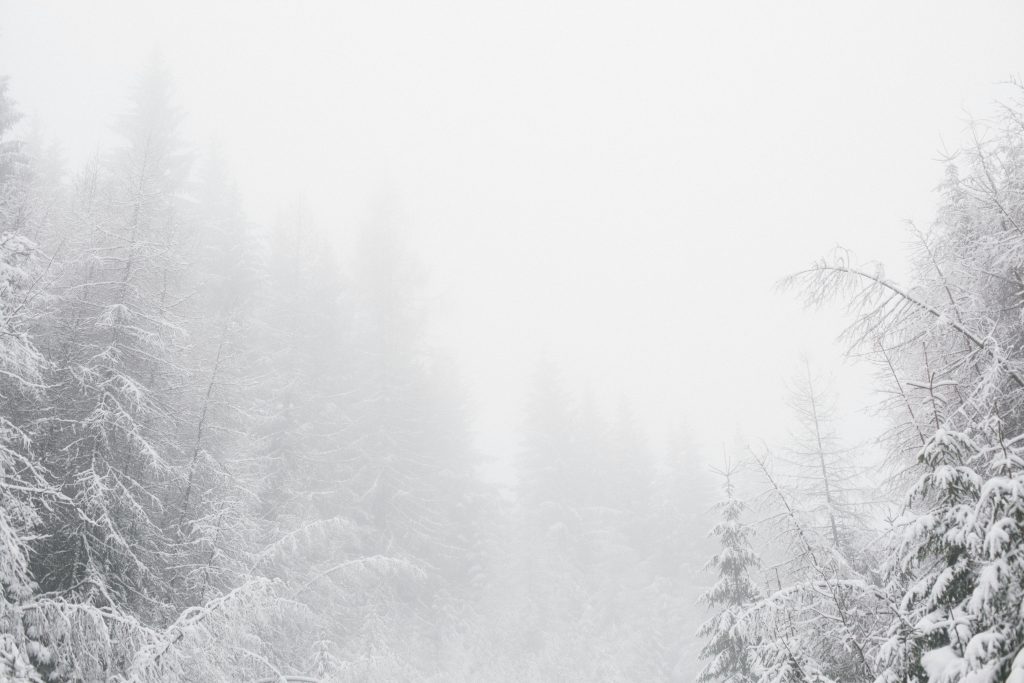
1. The Frozen Kingdom
A land cursed by eternal winter or a kingdom where icy conditions reign. A barren, frozen landscape where survival is a struggle. This setting, whether natural or magical (such as the result of a curse), often represents isolation, danger, and a battle against nature or a powerful enemy.
Why It Works: This winter fantasy trope creates an immediate sense of isolation and dire circumstances. It can be used as a metaphor for stagnation or hardship.
Where We’ve Seen It: The icy land beyond the Wall in Game of Thrones by George R. R. Martin and the White Witch’s spell in The Lion, the Witch and the Wardrobe by C. S. Lewis.
“It is winter in Narnia — always winter, but never Christmas.”
(C.S. Lewis, The Lion, the Witch and the Wardrobe)
How to Twist It: Instead of making the wintery landscape a curse, perhaps it’s a blessing that offers protection or keeps a malevolent force or being asleep. Another idea could be to explore how people could thrive in this frozen world, using the landscape creatively to develop resources and culture. Instead of desolation, imagine a flourishing society that has adapted to the cold.
2. The Ice Queen
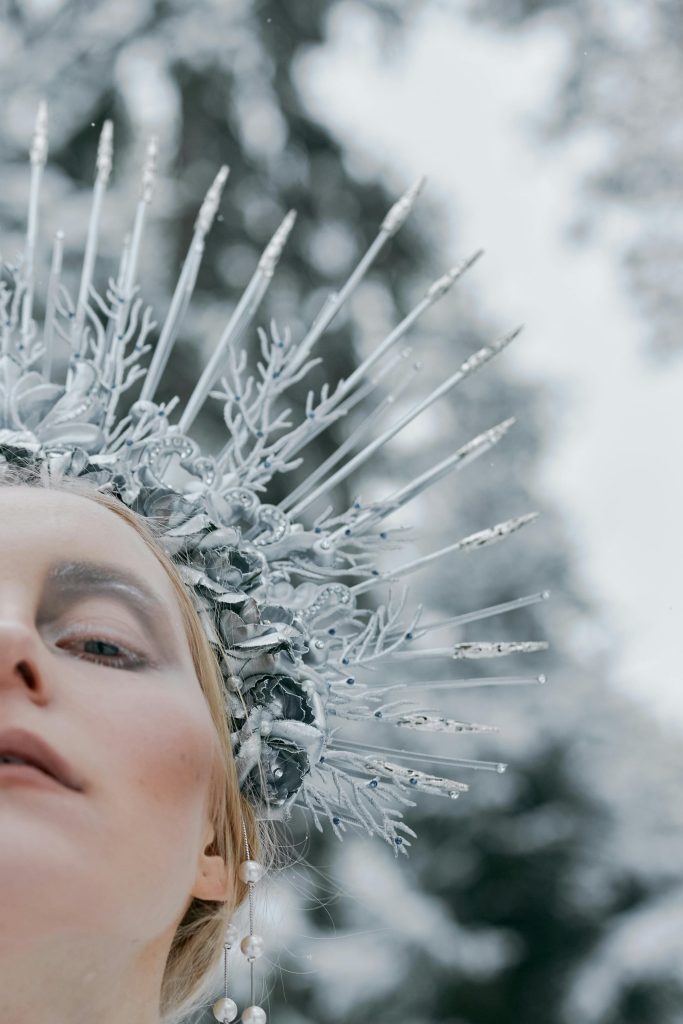
Often presented hand-in-hand with the frozen kingdom trope, the Ice Queen is a powerful, icy and aloof ruler associated with winter magic. She might be a villain or a tragic figure. She’s often presented as cold, sometimes cruel, and detached. In this classic winter fantasy trope the icy royal is often, but not always, female.
Why It Works: Ice Queen characters embody the harshness and beauty of winter. They are often presented as powerful antagonists that evoke fear because they represent the opposite of warmth, love and life. This winter fantasy trope also pairs winter and royalty, associating icy crystals with jewels, and sometimes showcasing other symbols of wealth and status such as furs and fine clothes in cold colors such as white, blue and silver. The detached attitude of the Ice Queen also parallels the distant, lofty attitudes attributed to some royals
Where We’ve Seen It: The Snow Queen from Hans Christian Anderson’s fairy tale of the same name and the White Witch in The Chronicles of Narnia by C. S. Lewis are traditional examples of this winter fantasy trope. Elsa in the movie Frozen and Suren in The Stolen Heir duology by Holly Black are examples of how to twist this trope.
How to Twist It: Instead of being evil or cold and indifferent, an “Ice Queen” character could be misunderstood or even the story’s heroine. Perhaps, like Elsa in Frozen, the Ice Queen means no harm, but can’t control her power. In The Stolen Heir, Suren, the Ice Queen of the story, is a point of view character and a protagonist, not the antagonist.
Other variations to twist this trope include an Ice Queen keeping something or someone safe, or keeping an unexpected secret. Perhaps she herself is the victim of a curse that is not immediately obvious. Or perhaps her icy exterior is a facade to test the kindness and warmth of her visitors, and she is actually a force for good.
3. The Snow Monster
Whether it’s a snow monster, a yeti, an ice dragon, a frost giant or even a Japanese yuki-onna, this winter fantasy trope introduces some kind of formidable wintery foe. Usually terrifying and depicted as an element of horror that is an obstacle and an enemy, these creatures live and thrive in cold and snowy places.
Why It Works: Snow beasts, creatures and monsters highlight the danger and mystery of winter landscapes, serving as both adversaries and forces of nature. In stories, they are something that stand between the heroes and their goals — whether for just one scene or an ongoing obstacle that persists through the plot.
Where We’ve Seen It: The White Walkers in Game of Thrones by George R. R. Martin, the Abominable Snowman in the classic film Rudolph the Red-Nosed Reindeer, and numerous cold-climate monsters from The Witcher series by Andrzej Sapkowski.
How to Twist It: How is this creature more than just a simple beast? Similar to the Ice Queen trope, is this creature misunderstood? Is it protecting a place, a person or an object? Are the supposed “monsters” actually intelligent beings with their own culture, simply trying to protect themselves and those they love from human violence?
Is the monster under a spell or curse, or the result of a magical transformation (for example, a human by day, a beast by night)? Is the monster’s origin or purpose not what the reader might expect? How could this creature appear to be an enemy but actually be an ally?
4. The Icy Artifact
This winter fantasy trope involves an artifact either associated with ice powers or bound in snow or ice waiting to be discovered. It is often an ancient, powerful object.
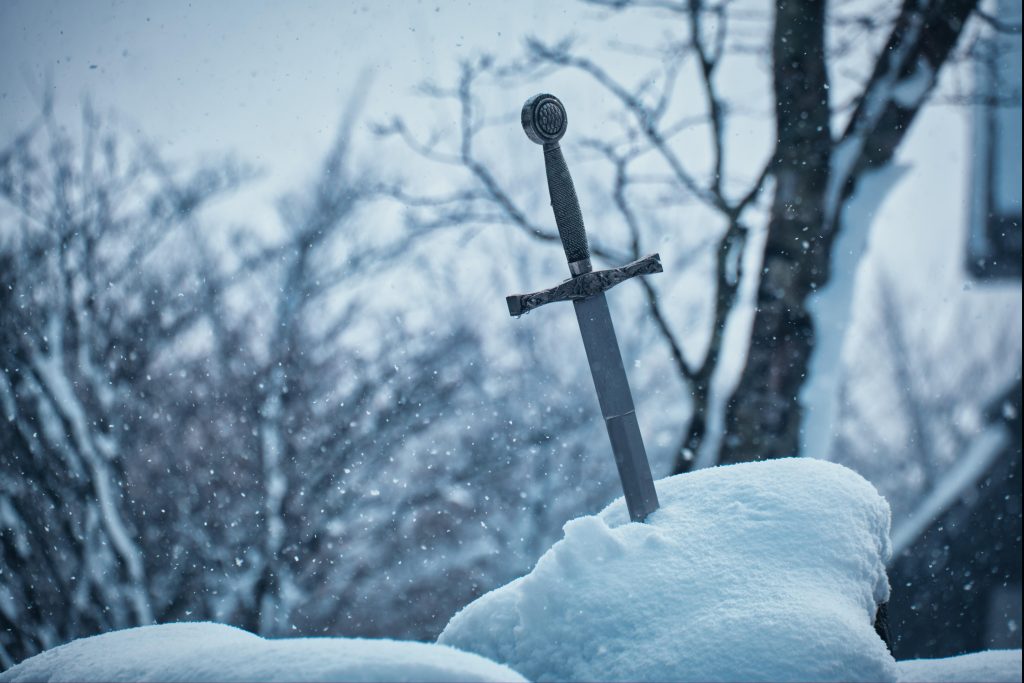
Why it Works: An artifact hidden or bound in ice is not just there for the taking. As part of a quest, seeking out an artifact in ice adds to the adventure and provides obstacles for the characters to overcome. They may be forced to endure hardship as they battle the elements (especially if combined with the frozen kingdom trope), deal with foes (whether an Ice Queen, a Snow Monster or some other variation), navigate their way to that which has been lost or hidden, and troubleshoot how to retrieve the object once found.
In another variation, characters may stumble upon something in the ice unwittingly – perhaps by accident, or led by a guide or guiding force.
Introducing an artifact that gifts the bearer icy powers can be an effective way to up the stakes. In a story where such an object is in the possession of an ice queen or other adversary, the protagonists face a bigger challenge than before. In the possession of the protagonists, the artifact can be a force for good or ill, can present a mystery to unravel, or could make them a target for others who covet what they have. If the object is yet unclaimed, seeking it could be part of what drives the plot and pits characters against each other.
Where We’ve Seen It: The bones used to create stick and snow creatures in The Stolen Heir duology by Holly Black are a great example of a relic with wintery powers. In Harry Potter and the Deathly Hallows by J. K. Rowling, Harry and Ron retrieve the Sword of Gryffindor from an icy lake.
How to Twist It: How can this object defy expectations or be more than what it seems?
In the Harry Potter series, many of the story’s artifacts are sentient; the Sword of Gryffindor appears to those who show courage in a time of need. How can the artifact exercise it’s own will and show its own personality?
In another variation perhaps freeing the artifact unleashes unforeseen consequences. Does claiming the object wake a long-forgotten enemy? Unleash a curse? Or, in a more positive outcome, provide unexpected powers or a gift?
Perhaps the characters are expecting an object, but find something else instead – like a person, or a riddle.
5. The Snowbound Traveler
Although not specific to fantasy, in this trope a character is forced to seek shelter in an isolated inn, house or other shelter during a snowstorm (or other bad weather variations). This is a broad trope that can take many different forms, depending on the needs and mood of the story.
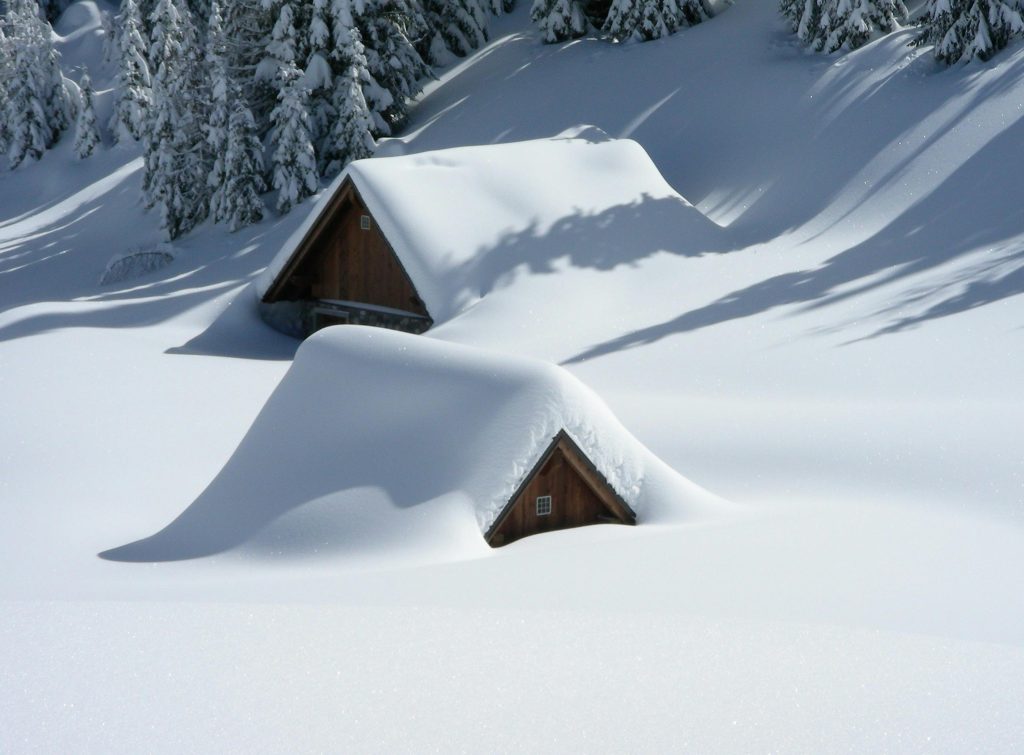
Why It Works: When the characters are stuck with nowhere to go, the mood of the story is amplified. If the mood is suspenseful, this trope immediately brings a sense claustrophobia as the character is trapped and vulnerable with limited options. It can also set the stage for a “locked room” mystery, with a seemingly impossible crime committed when the characters have no means of escape.
On the other hand, in a more lighthearted and benign setup, being snowed in can bring characters together in a ways that wouldn’t normally be likely or even possible under other circumstances. It’s a popular, if somewhat controversial romance trope (Baby It’s Cold Outside), but it also works to simply introduce new and unexpected partnerships or to deepen (or complicate) existing ones. Secrets and personal details are harder to keep — either because the intimate setting encourages sharing, or because in close quarters it’s harder to hide.
Where We’ve Seen It: For tense situations, Quentin Tarantino’s film The Hateful Eight and the snowed-in Overlook Hotel in The Shining by Stephen King. For the more benign version, any number of romance novels!
How to Twist It: How can the situation defy expectations? How can a scene that appears cozy and intimate actually turn out to be threatening? Or conversely, how can a situation that seems dire actually turn out to be a beneficial or even transformative experience?
Looking at it another way, how can an important truth be revealed that shifts the reader’s and/or character’s paradigm? Can an ally turn out to be a foe, or a foe turn out to be an ally? New information can up the stakes or change the nature of the quest (i.e. the thing we need to destroy is not a thing, but a person!), and change how certain characters or circumstances are viewed (and that person is our enemy’s daughter!). The confined space created by being snowed in gives characters the opportunity to overhear or discover things they never would’ve otherwise.
6. The Winter Solstice
The time of year that is the darkest, with the darkest day occurring at the winter solstice, is also a time when cultures around the world also celebrate that from this point forward, the days will lengthen and the light will return.
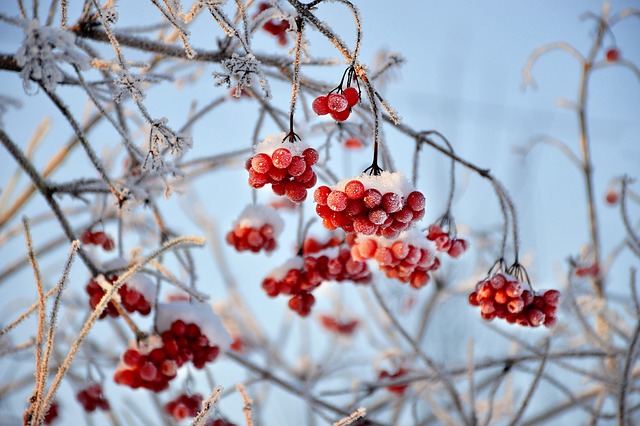
Why It Works: In fantasy stories, this can be a pivotal time of magical or spiritual significance. The winter solstice has ancient and powerful associations with embracing the darkness as a time for deep introspection and sometimes facing death – whether actual death, or the death of old ways or an old self to make way for something new. In this way, the winter solstice is also a time of transformation and rebirth. The winter solstice makes a great time for a story’s climax or a pivotal plot point that incorporates this symbolism.
Where We’ve Seen It: A classic example is The Dark is Rising by Susan Cooper. Additionally, Katherine Arden’s The Bear and the Nightingale delves into winter rituals steeped in folklore and in Spinning Silver by Naomi Novik, the solstice is a crucial turning point.
How to Twist It: This winter fantasy trope can be a great opportunity for culture and worldbuilding unique to your story. Is this event solemn or festive, or a mix? Is it fun and carefree, or dangerous? What are the characters’ feelings and history with this time of year? In what ways can the solstice or a winter holiday be magically significant? What is the result the characters and/or reader expect, and what can happen instead?
Now It’s Your Turn
Tropes exist because they work. They tap into universal emotions, situations, and expectations that resonate with audiences. In the case these winter fantasy tropes, they can evoke the beauty and brutality of the season while deepening your story’s atmosphere.
Playing with these tropes can be a great prompt or exercise for your literary sketchbook. Work with one, or combine two or more from this list. If you already have something you are working on that takes place at least in part in the wintertime or a cold climate setting, consider whether adding one or more of these tropes can enhance your work.
Think of tropes as tools in your writer’s toolbox—a starting point, not the final destination. Reimagine these tropes to keep your story fresh by adding unexpected elements, exploring untold perspectives, or combining multiple tropes in innovative ways can make your winter fantasy stand out.